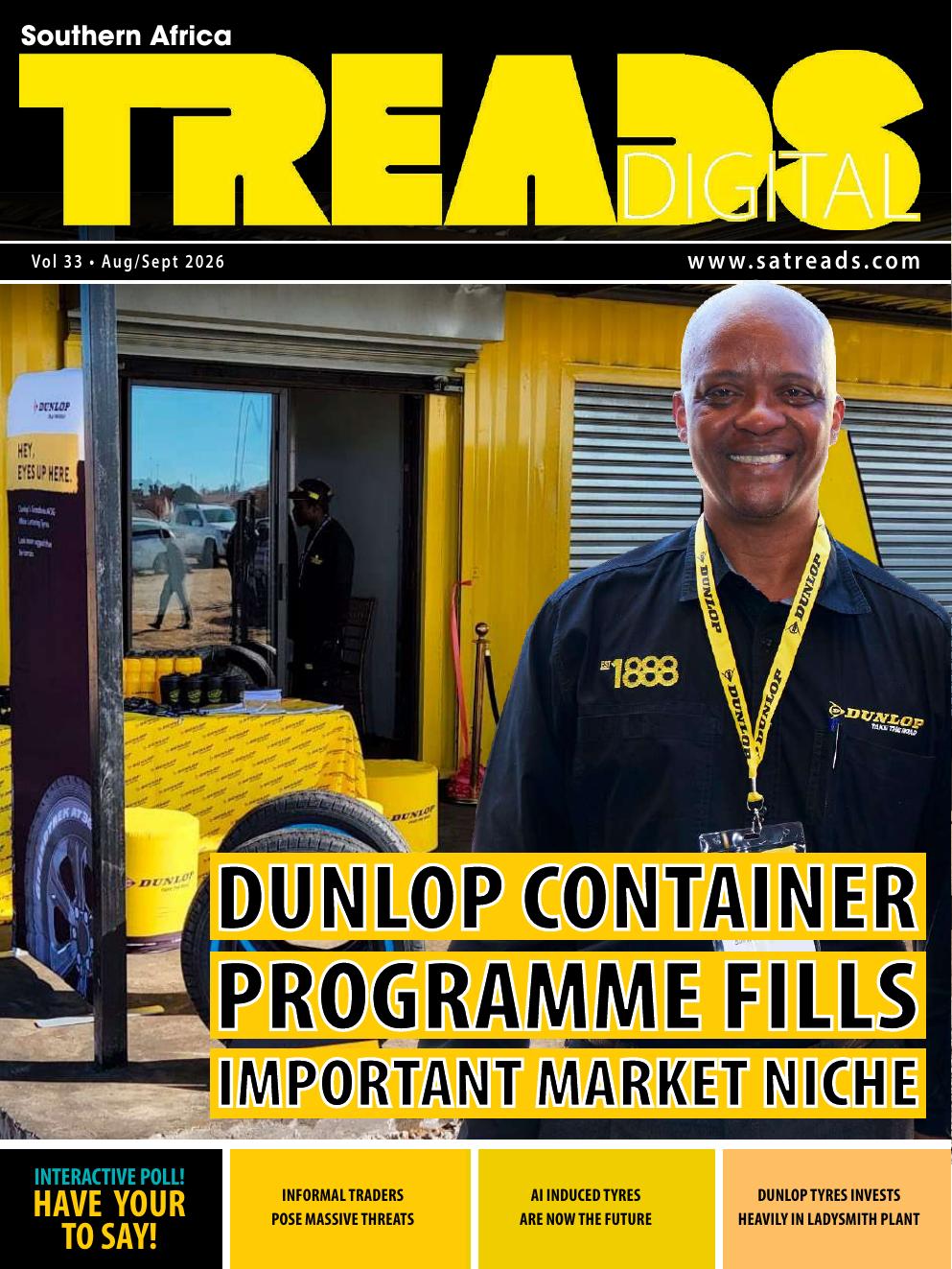
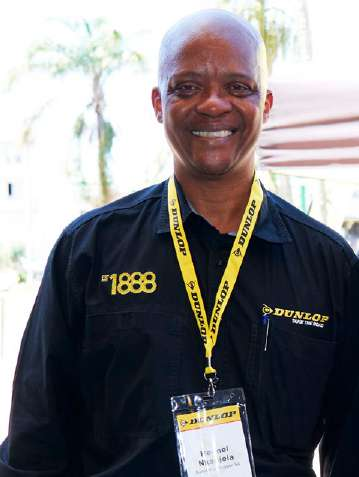
If you can’t beat them, join them. An adage that applies in many areas of life, not least of which, the mushrooming of the informal tyre trade sector in South Africa. While informal traders who operate illegitimately pose a massive threat to consumer and official tyre dealers alike, there are ways to channel their entrepreneurial ambitions in a constructive manner. Case in point, the Dunlop Container Programme. We spoke with Hennel Nkonjela, Manager Key Accounts – Enterprise Development, Dunlop South Africa to get the lowdown.
When was the Container Programme established and what was the rationale behind its inception?
The DUNLOP Container Programme was established in 2013 in line with the BBBEE directives at the time, particularly those focused on Enterprise Development.
While the initiative was originally referred to as the DUNLOP Container Programme, it has since evolved into the current DUNLOP Business-in-a-Box model.
There is some overlap in terminology, as the programme’s container-based origins remain part of its history, but Business-in-a-Box reflects the current iteration and broader developmental focus. The rationale was to support small tyre dealers by helping them strengthen and grow their businesses through targeted development initiatives, especially in township and rural communities.
The DUNLOP Business-in-a-Box model is about more than setting up an operation – it’s about helping entrepreneurs build sustainable businesses.
What are the criteria for entry into the programme?
The criteria for proposed entry into the programme have evolved over the years and currently include the following requirements:
• SA ID copy • 18 years or older • Police Clearance • CIPC registration • Tax clearance certificate • Comprehensive business plan • Site permit of where the container will be located • If leased, proof of residence. • Utilities • Bank details • Financial Statements
How many containers are now on board?
We have 73 nationally.
Today, we have 73 operations nationally, supporting entrepreneurs across South Africa.
Is DUNLOP exclusively responsible for the investment in setting up each container operation? If not, what are the expectations from the prospective entrepreneur?
No. DUNLOP is not exclusively responsible for the investment required to establish each container operation.
DUNLOP assists with identifying and sourcing funding from external partners where possible and plays a facilitation and support role throughout the process. We also support beneficiaries with training, branding, operational guidance and ongoing assistance, helping them establish, manage and grow sustainable container operations within their communities.
Where appropriate, we work with relevant stakeholders and funding partners to help make each operation viable and sustainable. Our aim is not only to assist with establishment, but to provide the support and guidance needed for beneficiaries to build successful, long-term operations.
Our focus is not simply on expansion, but on strengthening the support available to our current beneficiaries.
Are the Container operations positioned nationwide?
Yes, beneficiaries are located across South Africa.
What range of services do they offer the consumer?
They offer consumers a range of services, including the sale and fitment of new tyres and tyre balancing. Some operations also offer wheel alignment, batteries, shocks, car servicing, vehicle parts and car wash services as additional revenue streams.
Would you say this initiative has helped to limit/eradicate illicit trading in their specific areas?
Definitely. I recently met with a dealer who was adamant that new tyres would not work in his area because his customers could only afford second-hand tyres.
We continued working together, and today he sells only new tyres. He began educating his customers on the benefits of buying new tyres, as well as the safety risks linked to second-hand tyres.
The added benefit of free 18-month tyre insurance also gives customers greater peace of mind and reinforces the value of making a safer choice.
Any growth/expansion plans in the pipeline? What is next for the Container programme?
At this stage, our focus is not on expanding the programme, but on strengthening the support available to current beneficiaries.
This includes addressing key development areas such as business acumen and financial management, while providing training, mentorship and coaching to help them build more sustainable and resilient businesses.